The Leader in Pre Hospital Emergency Veterinary Training
From Pet Ambulance services, to D.O.A Technicians Emergency Dispatch and Certified Humane Investigators, the AnimalMedics Academy has you covered.
THE ANIMALMEDICS ACADEMY IS A PART OF OSP CARES A NOT FOR PROFIT 501C3 ORGINIZATION

Enroll for Upcoming Classes

Study online at your own pace

Take final exam and graduate, and start making a difference.
Help to change lives
Careers That Make a Difference And Build Trust
How many people can say , what they do each and every day impacts and changes lives? Not many. This is where you get to make a postive difference in the lives of so many!
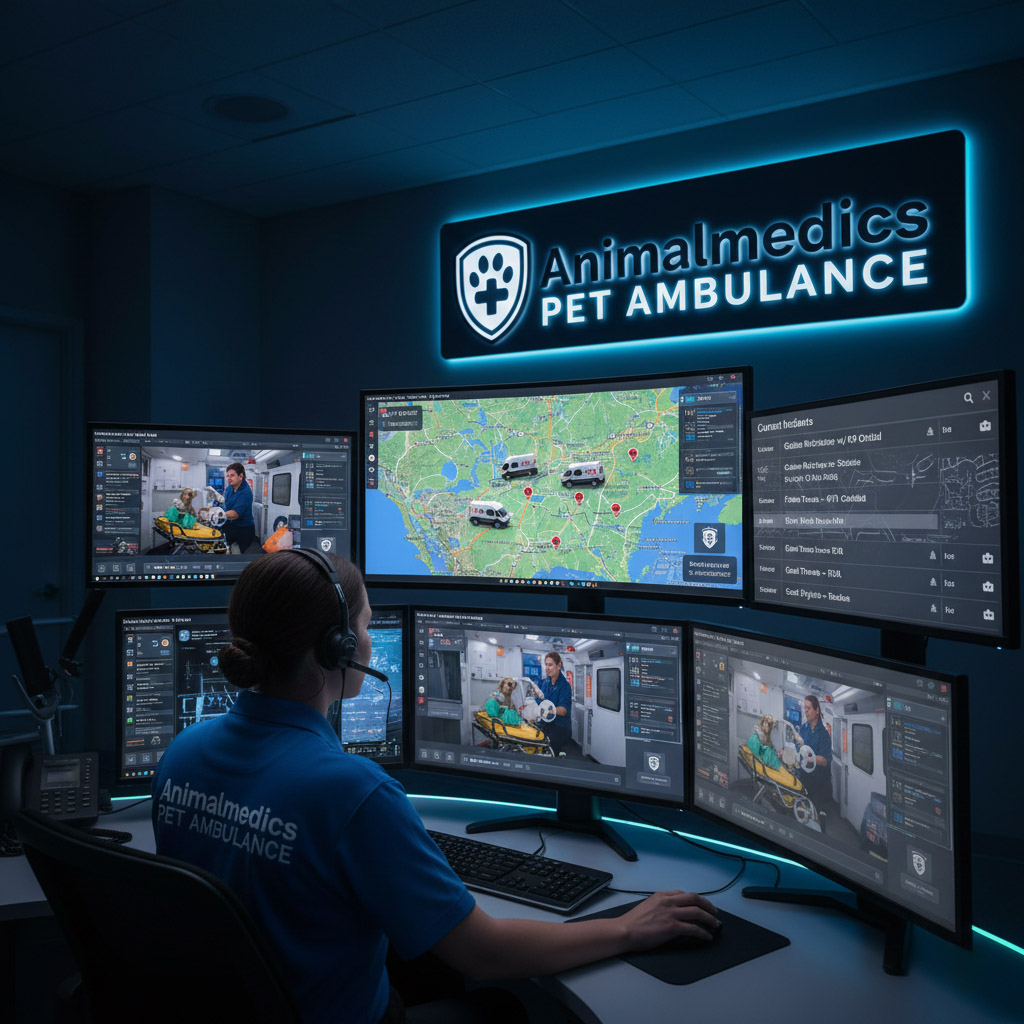
Emergency Dispatch Specialist

Animal Response Technician
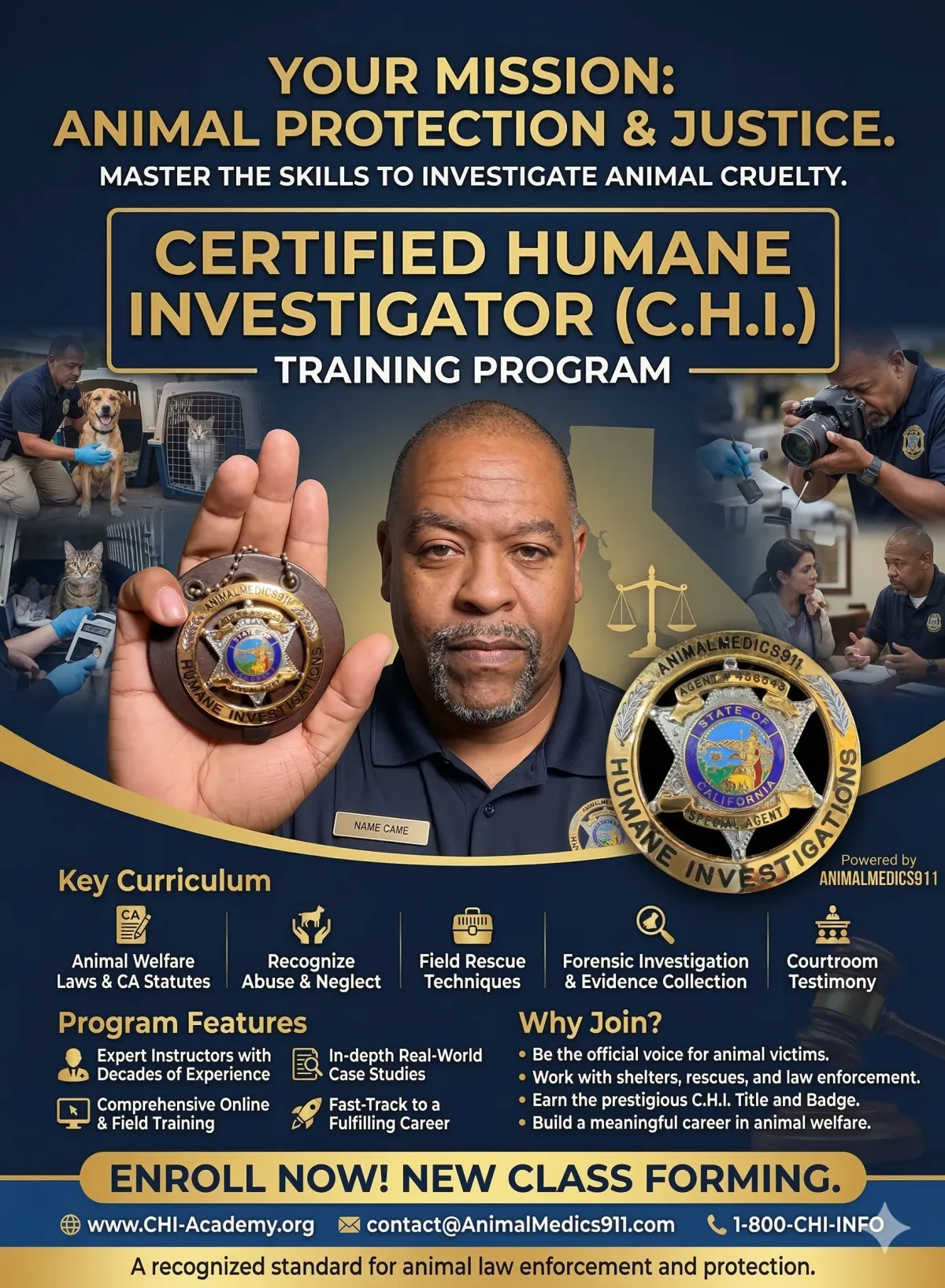
Certified Humane Investigator
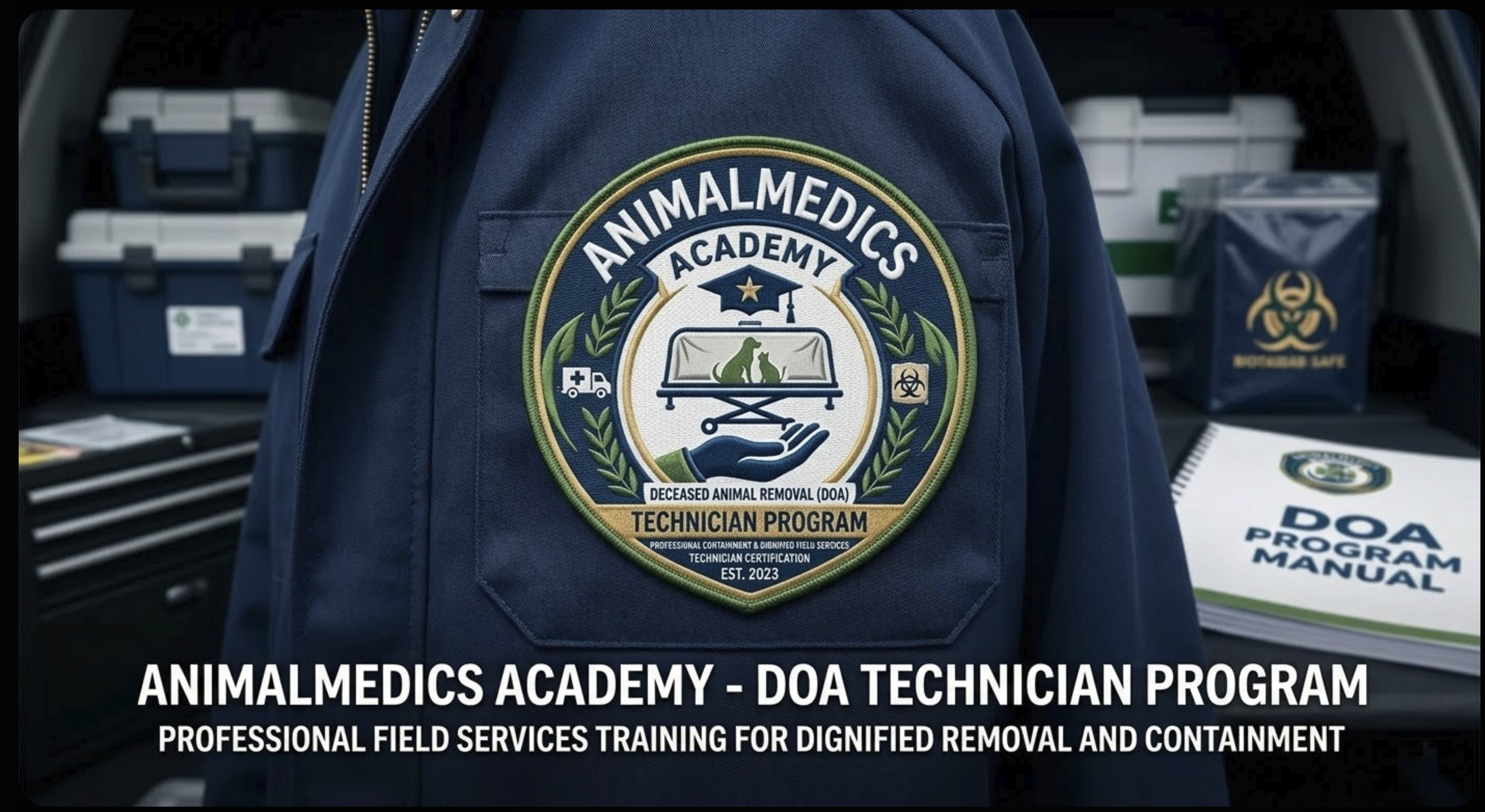
D.O.A TECHNICIAN PROGRAM

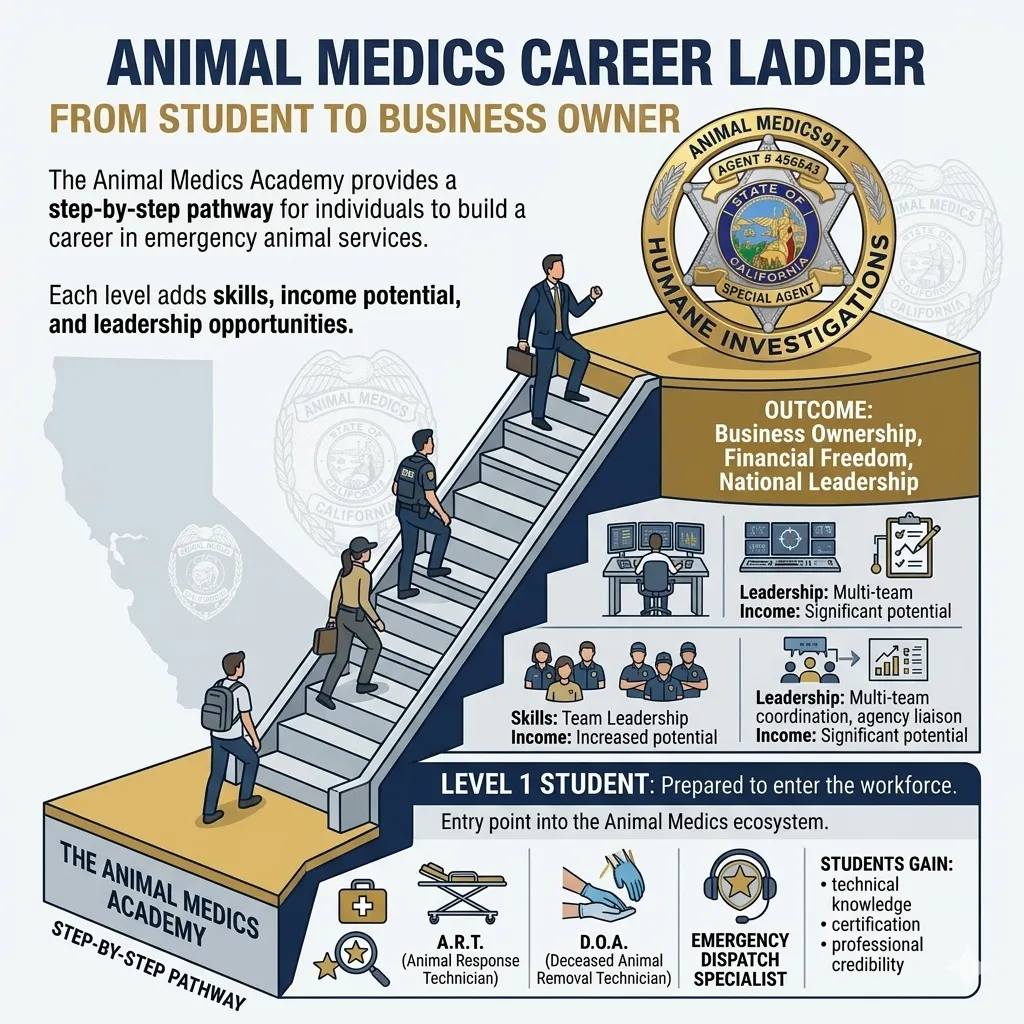
We provide A Pathway to success for your dreams.
From student to business owner, never before has a support system and pathway been so clear. The process, the training the guidance and the support all in one system designed to help you not just win but to achieve your dreams.
10th
Experience
How does AI. Affect these career paths in the next 10 Years?
The outlook for the veterinary and animal services industry over the next decade is exceptionally strong, characterized by "much faster than average" growth. For a Certified Specialist entering the field today, the economic landscape is one of high demand and low supply.
Veterinary Services: 10-Year Industry Outlook (2026–2036)
Data from the U.S. Bureau of Labor Statistics (BLS) and global market analysts show that animal care is one of the most stable and rapidly expanding sectors in the modern economy.
Career PathProjected Growth:
(10-Year) Key Drivers
Certified & Licensed Veterinary Technicians 12% Growth
Increased pet spending & advanced medical treatments.
Veterinary Assistants 9% Growth
High demand for clinic support and routine care.
Specialty Animal Care Workers 11% Growth
Expansion of grooming, boarding, and Special field services.
Veterinarians. 10% Growth
due to Shortage of doctors vs. 100M+ pet population.
Market Value: The global pet care market is projected to grow from $289B in 2026 to nearly $500B by 2034 (CAGR of 7.75%).
Recession Resistance: Historically, pet owners prioritize animal health even during economic downturns, making these "essential services" highly resilient.
Why Animalmedics Academy Trades are "AI-Proof"
While AI is disrupting desk-based "white collar" roles, the trade-based skills taught at the Animalmedics Academy are protected by what experts call the "Tactile Firewall." Here is why your graduates are safe from automation:
1. The "Physical Chaos" Factor
AI and robotics excel in controlled environments like factory floors. However, a D.O.A. Technician or A.R.T. Specialist works in “real”-world spaces—homes, fields, or busy roadsides. Navigating these unpredictable, non-static environments requires human dexterity and balance that current robotics cannot replicate.
2. High-Stakes Sensory Feedback
Handling a living, frightened animal (A.R.T.) or managing a sensitive recovery (D.O.A.) requires fine motor skills and tactile feedback. Humans can instantly adjust their grip, pressure, and angle based on what they feel. Sensors cannot yet match the "hand-eye-brain" loop required to stabilize a patient in a crisis.
3. Human Intuition & Empathy
A
C.H.I. Special Agent must navigate the nuances of human emotion when investigating a crime scene.
AI can analyze data, but it cannot:
De-escalate a grieving pet owner.
Sense when a witness is withholding information.
Make ethical, split-second "judgment calls" on-scene.
The "Animal Medics Academy " Strategic Edge
By specializing in any course offered at the Animal Medics Academy , students enter a high-volume niche that AI can't touch. Every time a graduate accepts a job in the field they are performing a task that requires a physical presence, a vehicle, and human dignity—three things a computer script will never possess.
READY TO START MAKING A DIFFERENCE?
FUNDING AVAIBLE
We have many funding options to get you into the upcoming class, now is your chance to make a difference in your life, and the lives of so many more!!!
Subscribe to the Animal Medics Pet Pulse Newsletter
Stay informed with our newest insights, Stories, updates, and exclusive resources—delivered straight to your inbox each week.
Newsletter